
Subtotal ₨ 0
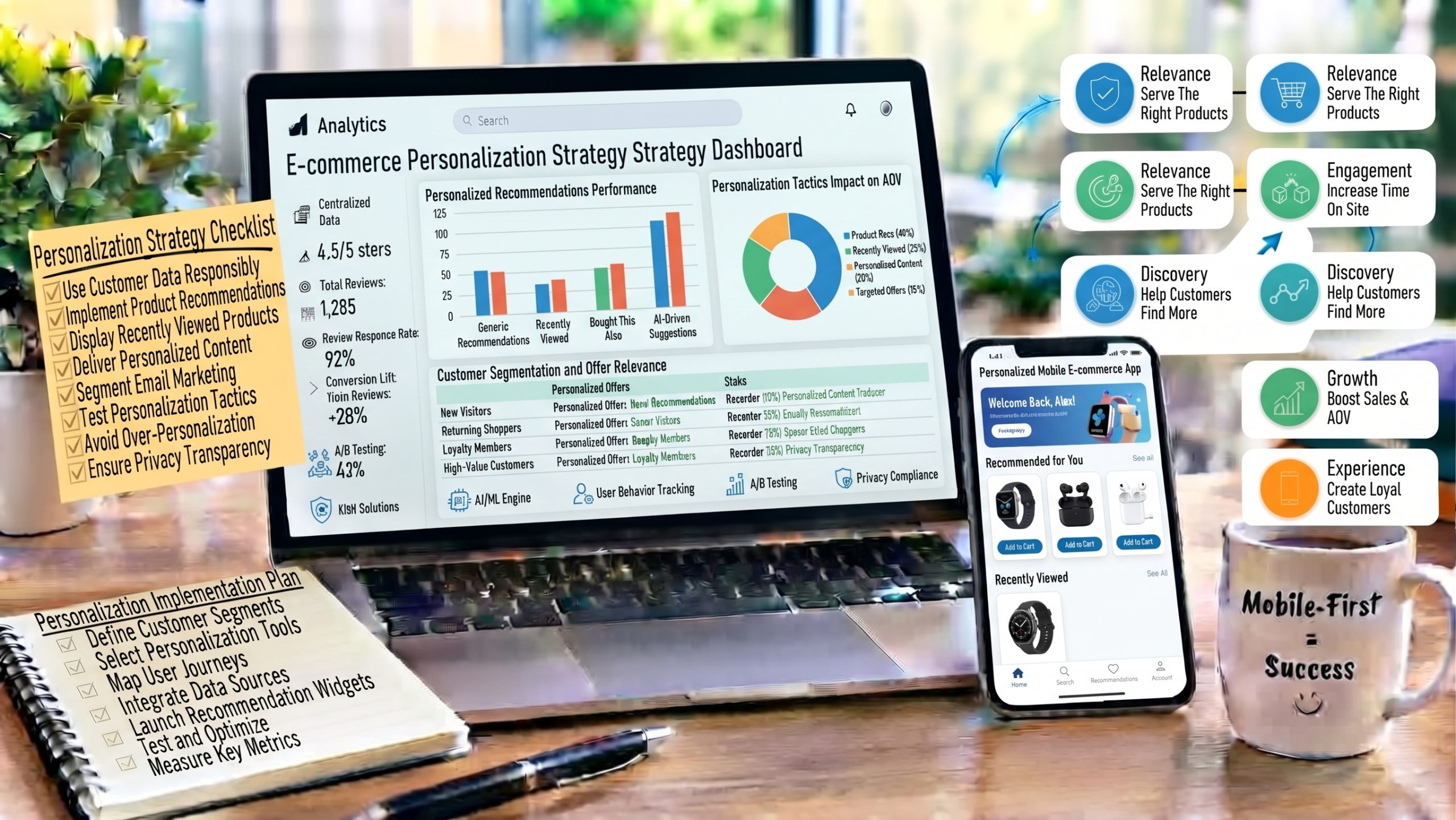
Every customer is different. People have different interests, budgets, shopping habits, and product preferences.
Showing exactly the same experience to every visitor may not always produce the best results.
E-commerce personalization allows online stores to create more relevant shopping experiences based on customer behavior, preferences, and interactions.
When implemented responsibly, personalization can make product discovery easier and improve customer engagement.
What Is E-commerce Personalization?
E-commerce personalization means adapting parts of an online shopping experience based on available customer information.
For example, an online store may recommend products based on previous purchases or show recently viewed products.
Personalization can also be used for product recommendations, content, offers, search results, and customer communication.
Product Recommendations
One of the most common personalization strategies is product recommendations.
An online store can suggest products related to what a customer is currently viewing.
For example, if someone is looking at a laptop, the store could recommend a laptop bag, mouse, or other compatible accessories.
Relevant recommendations can help customers discover products they may actually need.
Recently Viewed Products
Customers often browse several products before making a decision.
Showing recently viewed products makes it easier for shoppers to return to products they previously considered.
This is especially useful for customers who are comparing different products.
Personalized Content
Personalization can also affect website content.
Returning customers may see content that is more relevant to their previous interactions.
For example, a customer interested in a specific product category could receive recommendations related to that category.
Personalized Email Marketing
Customer information can also be used to create more relevant email campaigns.
Instead of sending the same message to everyone, businesses can organize customers into segments based on interests or purchase history.
This can make email communication more useful and less repetitive.
Improve Product Discovery
Large online stores can contain thousands of products.
Personalization helps customers discover products that are more relevant to their interests.
Instead of forcing shoppers to search through large catalogs, recommendations can guide them toward suitable products.
Use Customer Data Responsibly
Personalization depends on customer data, so privacy should be taken seriously.
Businesses should be transparent about how customer information is collected and used.
Security measures should also be implemented to protect customer data from unauthorized access.
Personalization should improve the customer experience rather than make customers uncomfortable.
Avoid Over-Personalization
Too much personalization can sometimes have the opposite effect.
Customers may feel uncomfortable if a website appears to know too much about them.
Businesses should focus on useful personalization that clearly benefits the shopper.
The goal should be relevance, not excessive tracking.
Test Personalization Strategies
Not every personalization strategy will work equally well for every business.
Businesses should test different recommendation placements, customer segments, offers, and messages.
Analytics can help determine whether personalized experiences are improving engagement and conversions.
Final Thoughts
E-commerce personalization can help businesses create more relevant and convenient shopping experiences. Product recommendations, recently viewed products, personalized content, and segmented marketing can help customers discover products more efficiently.
However, personalization should always be balanced with privacy, transparency, and responsible data management.
When designed correctly, personalization can become a valuable part of a modern e-commerce strategy. SSD Solutions can help businesses build digital experiences that combine technology, usability, and business goals.
Frequently Asked Questions
What is e-commerce personalization?
It is the process of adapting an online shopping experience based on customer behavior, preferences, or other relevant information.
Can personalization increase sales?
Relevant recommendations and improved product discovery can support conversions, although results depend on implementation and business type.
Is personalization only for large businesses?
No. Smaller businesses can also use simple personalization features such as related products and recently viewed items.
Is customer privacy important?
Yes. Businesses should handle customer information responsibly and follow applicable privacy requirements.