
Subtotal ₨ 0
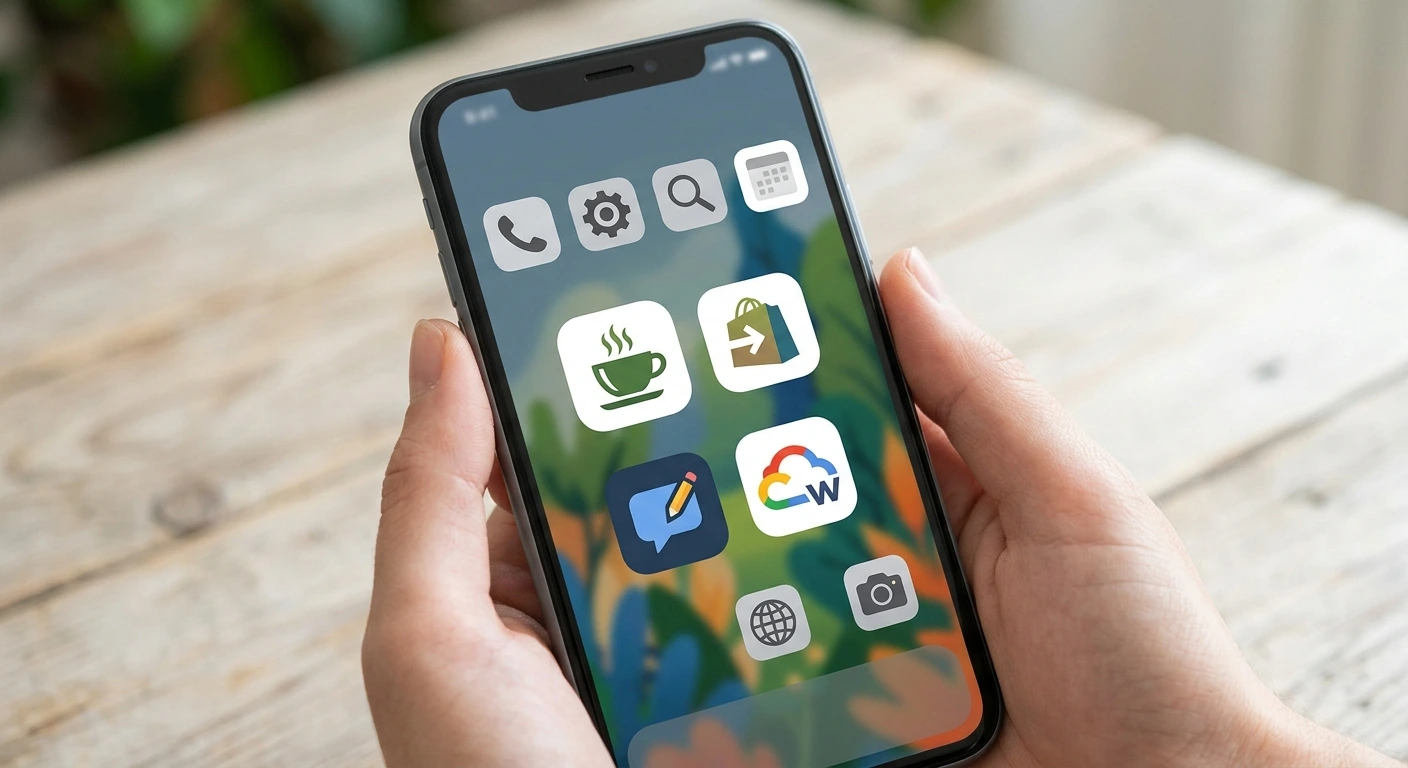
Have you ever visited a website that felt almost like a mobile app? It loaded quickly, worked smoothly, and sometimes even allowed you to use it without a stable internet connection. This type of experience is possible with progressive web apps.
But what are progressive web apps, and how are they different from traditional websites and mobile applications?
In this guide, we will explain what is a progressive web application, how a progressive web app works, its key features, benefits, limitations, and why businesses are increasingly using PWAs.
What Are Progressive Web Apps?
Progressive web apps (PWAs) are web applications that use modern web technologies to provide an app-like experience through a web browser.
Unlike traditional websites, a progressive web app can offer features such as fast loading, offline functionality, push notifications, and installation on a user’s device.
PWAs are designed to work across different devices, including smartphones, tablets, laptops, and desktop computers.
In simple terms, a PWA combines the accessibility of a website with many of the features users expect from a mobile app.
What Is a Progressive Web Application?
So, what is a progressive web application?
A progressive web application is a website built with modern technologies that can behave like an application. Users can normally access it through a browser without downloading a traditional application from an app store.
A PWA can also be added to a device’s home screen, depending on the browser and platform.
For businesses, this can provide a convenient way to deliver digital services without requiring users to install a separate native app.
How Does a Progressive Web App Work?
A progressive web app relies on several web technologies working together.
1. HTTPS
PWAs use a secure HTTPS connection. HTTPS helps protect communication between the user’s browser and the website.
2. Service Workers
Service workers are scripts that operate in the background and can help a PWA cache important resources.
This can allow parts of the application to continue working when the internet connection is slow or temporarily unavailable.
3. Web App Manifest
A web app manifest provides information about the application, such as its name, icons, theme, and display settings.
This helps browsers understand how the web application should behave when installed on a device.
4. Responsive Design
PWAs are designed to work across different screen sizes. A responsive design helps the application provide a consistent experience on smartphones, tablets, and computers.
Key Features of Progressive Web Apps
Progressive web apps provide several features that can improve the user experience.
Fast Performance
PWAs can use caching and other optimization techniques to load important resources quickly.
Offline Support
One of the major advantages of PWAs is the ability to provide certain functionality when the user has limited or no internet access.
The exact offline functionality depends on how the PWA is developed.
Installable Experience
Users may be able to add a PWA to their device’s home screen. This can make the application easier to access without requiring a traditional app-store installation.
Push Notifications
Where supported and implemented, PWAs can send push notifications to users. Businesses can use notifications for updates, reminders, promotions, and other useful information.
Cross-Platform Compatibility
A PWA can work across multiple platforms through compatible web browsers, reducing the need to build completely separate applications for every platform.
Responsive User Experience
PWAs can adapt to different screen sizes, providing a consistent experience across mobile and desktop devices.
Progressive Web Apps vs Traditional Websites
A traditional website primarily focuses on delivering information or web-based functionality through a browser.
A PWA can provide additional app-like features.
| Feature | Traditional Website | Progressive Web App |
|---|---|---|
| Browser access | Yes | Yes |
| Responsive design | Usually | Yes |
| Offline functionality | Limited | Possible |
| Installable | Usually no | Yes, where supported |
| Push notifications | Limited | Possible |
| App-like experience | Limited | Yes |
| HTTPS | Recommended | Required for core PWA capabilities |
The exact capabilities of a website or PWA depend on its implementation and browser support.
Progressive Web Apps vs Native Mobile Apps
Native mobile apps are developed specifically for operating systems such as Android or iOS. PWAs, on the other hand, are built using web technologies.
Native apps can provide deep access to device features and platform-specific functionality. PWAs can provide easier web access and cross-platform deployment.
For businesses, the right choice depends on the application’s requirements, target users, budget, and required device features.
Benefits of Progressive Web Apps for Businesses
There are several reasons businesses consider progressive web apps for their digital products.
Lower Development Complexity
A PWA can potentially serve users across multiple platforms from a web-based application, reducing the need for completely separate codebases.
Easy Access
Users can access a PWA through a web browser rather than necessarily searching for and downloading an application from an app store.
Better User Experience
Features such as fast loading, responsive layouts, offline support, and installation can create a more app-like experience.
Improved Engagement
Features such as notifications and home-screen installation can give businesses additional ways to engage users, where supported.
Easier Updates
Web applications can be updated on the server, allowing users to access the latest version without going through a traditional app-update process.
Are Progressive Web Apps Good for Every Business?
Not necessarily.
PWAs can be useful for e-commerce platforms, content websites, booking systems, online services, and other web-based businesses.
However, some applications may require advanced device capabilities or platform-specific functionality that makes a native application more suitable.
Before choosing a PWA, businesses should consider their users, functionality requirements, development resources, and long-term goals.
Examples of Progressive Web Apps
Several well-known companies have used PWA technologies to improve their web experiences.
Examples commonly associated with PWA adoption include Twitter Lite, Starbucks, Pinterest, and other major web platforms.
These examples demonstrate how web technologies can be used to create experiences that feel more similar to applications.
How to Create a Progressive Web App
Creating a progressive web app usually involves several important steps:
- Build a responsive web application.
- Secure the website with HTTPS.
- Create a web app manifest.
- Implement a service worker.
- Add appropriate caching strategies.
- Test performance and functionality.
- Test the application across different browsers and devices.
- Optimize the user experience.
Developers should also consider accessibility, security, performance, and browser compatibility during development.
Are Progressive Web Apps the Future of Web Development?
PWAs have become an important approach to modern web development because they combine many advantages of websites and applications.
They provide businesses with a way to create fast, responsive, and engaging web experiences while keeping the accessibility of the web.
However, PWAs are not a replacement for every type of native application. The best technology depends on the project’s specific requirements.
Final Thoughts
So, what are progressive web apps?
Progressive web apps are web applications designed to provide an app-like experience using modern web technologies. They can offer features such as offline functionality, installation, push notifications, fast performance, and responsive design.
Understanding what is a progressive web application can help businesses and developers decide whether a PWA is suitable for their website or digital product.
If your goal is to create a fast, accessible, and engaging web experience across multiple devices, a progressive web app may be worth considering.
Frequently Asked Questions
What are progressive web apps?
Progressive web apps are web applications that use modern web technologies to provide an experience similar to a mobile or desktop application.
What is a progressive web application used for?
A progressive web application can be used for e-commerce, content platforms, booking systems, online services, business applications, and many other web-based products.
Can a progressive web app work offline?
Yes, a PWA can support offline functionality through technologies such as service workers and caching. The available offline features depend on how the application is developed.
Can you install a progressive web app?
Yes. On supported browsers and devices, users can add a PWA to their home screen or install it as an application.
Are progressive web apps better than mobile apps?
Neither is automatically better. The right option depends on the project’s functionality, target audience, development requirements, and platform needs.
Do progressive web apps work on mobile devices?
Yes. PWAs are designed to work on supported mobile and desktop browsers and can provide responsive, app-like experiences.